
The Benefits of Building Automation Systems for Commercial Facilities
March 11, 2026
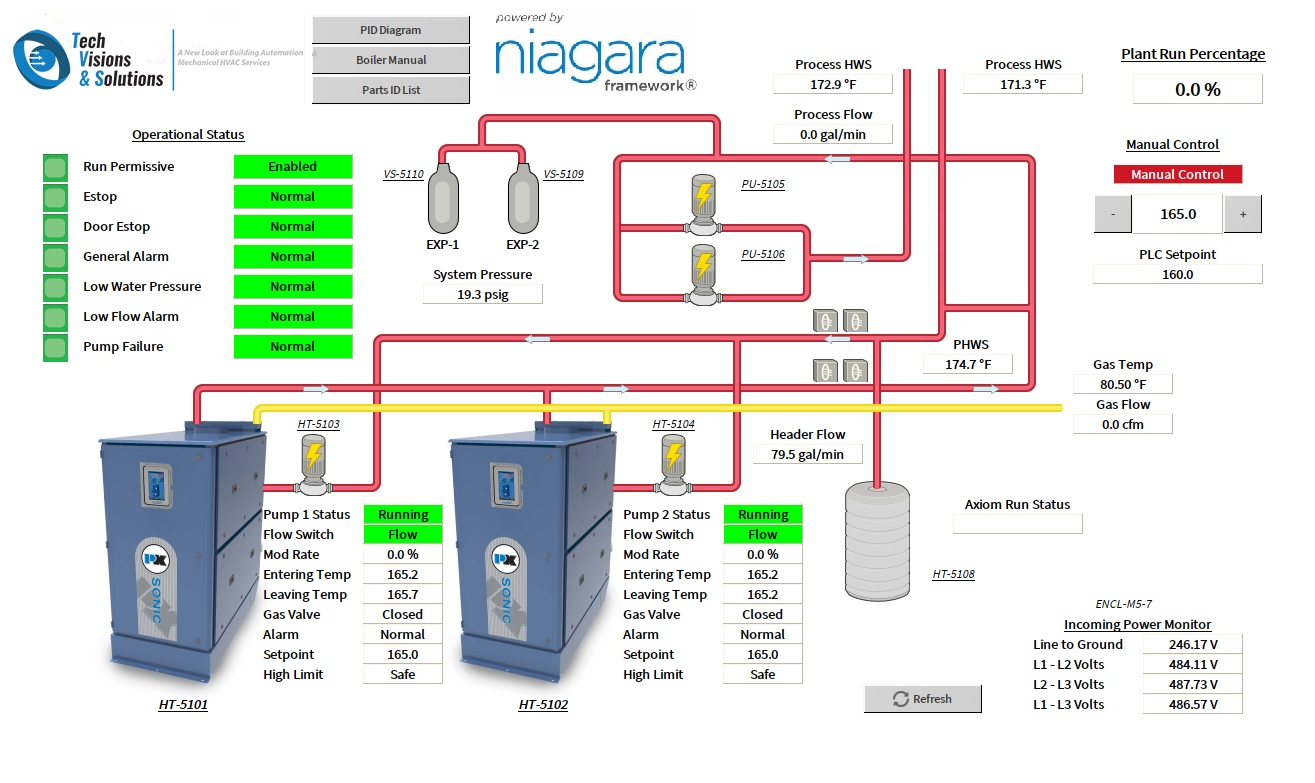
Modern commercial facilities rely on complex mechanical systems to maintain comfortable temperatures, control energy use, and support daily operations. Managing these systems manually can be inefficient and time-consuming, especially in larger buildings with multiple HVAC components. Building automation systems (BAS) provide a centralized platform that allows facility managers to monitor, control, and optimize building performance. By integrating systems such as HVAC equipment, boilers, chillers, lighting, and energy controls, building automation improves efficiency while simplifying facility management.
What Is a Building Automation System?
A building automation system connects multiple building systems into a single network that can be monitored and controlled from a central interface. Sensors, controllers, and software continuously collect data from equipment throughout the building. Systems such as the Niagara Framework allow facility managers to monitor performance, adjust system settings, and receive alerts when equipment requires attention. This real-time visibility helps operators respond quickly to issues and maintain consistent building performance.
Improved Energy Efficiency
One of the most significant advantages of building automation systems is improved energy efficiency. Automated scheduling and system optimization allow equipment to operate only when needed, reducing unnecessary energy consumption. For example, HVAC systems can automatically adjust based on building occupancy, time of day, or outdoor temperature conditions. These adjustments help maintain comfortable indoor environments while lowering energy costs for commercial facilities.
Centralized Monitoring and Control
Without automation, facility teams may need to manage separate control systems for heating, cooling, lighting, and ventilation equipment. Building automation systems bring these components together under one platform. With centralized control, facility managers can monitor system performance, adjust operating parameters, and troubleshoot equipment issues from a single interface. This streamlined approach simplifies building management and improves operational efficiency.
Real-Time Alerts and Diagnostics
Building automation systems provide real-time alerts when equipment performance falls outside normal operating conditions. For example, if a chiller experiences abnormal pressure levels or a boiler system begins operating inefficiently, the system can notify operators immediately. These alerts allow technicians to address potential problems early, reducing the likelihood of unexpected equipment failures or costly downtime.
Remote Access for Facility Managers
Many modern building automation platforms provide secure remote access. This allows facility managers and maintenance teams to review system performance, adjust settings, and diagnose issues without being physically present at the facility. Remote monitoring is especially valuable for organizations that manage multiple buildings or campuses, allowing operators to oversee system performance across several locations.
Flexible Integration with Existing Equipment
Modern building automation systems are designed to integrate with equipment from multiple manufacturers. This flexibility makes them ideal for both new construction projects and upgrades to existing facilities. For buildings with aging control systems, automation platforms can replace outdated pneumatic controls and provide improved monitoring, system efficiency, and long-term reliability.
Supporting Smarter Building Operations
As commercial facilities become more complex, building automation systems provide a smarter way to manage mechanical equipment and energy usage. By connecting HVAC equipment, boilers, chillers, and other building systems into one platform, facilities gain greater visibility and control over their operations.
Businesses and facilities throughout Green Bay, Appleton, and across Northeast Wisconsin are increasingly implementing building automation systems to improve energy efficiency, reduce operating costs, and simplify facility management.